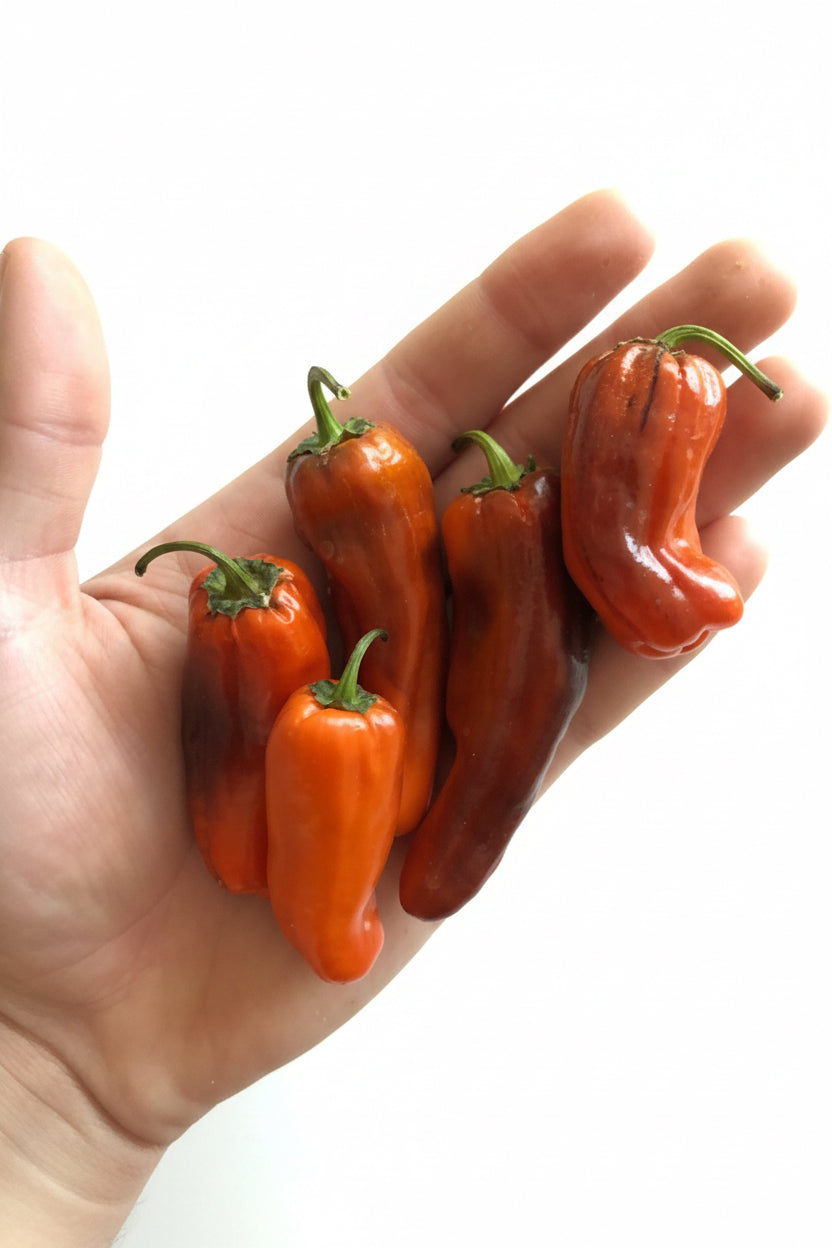
Pepper - Pippin’s Golden Honey
Pepper - Pippin’s Golden Honey
Couldn't load pickup availability
Minimum Seed Count: 15
The variety is named after renowned African American folk artist Horace Pippin, who served in World War I and later became one of America's most celebrated self-taught painters. According to seed preservation records, Pippin shared seeds of this pepper and other heirloom varieties with beekeeper H. Ralph Weaver in exchange for bee sting therapy, which was believed to help relieve pain from injuries and arthritis.
The seeds remained preserved in the Weaver family collection for decades. In the late 20th century, seed historian and preservationist William Woys Weaver rediscovered many of these heirloom varieties, helping return them to cultivation and preventing them from being lost forever.
Both Delicious and beautiful, this variety is becoming a sought after sweet pepper for home gardeners across the world!
Plant Details
- Species: Capsicum annuum
- Plant Height: 24–36 inches
- SKU: SWEET
- Days to Maturity: 75–90 days from transplant
- Fruit Color: Golden-yellow
- Flavor: Sweet, mild, and crisp
- Growth Habit: Compact, productive plants
Growing Guide
Starting Seeds
- Start seeds indoors 8–10 weeks before your last expected frost.
- Sow seeds ¼ inch deep in a quality seed-starting mix.
- Maintain soil temperatures between 80–90°F for best germination.
- Germination typically occurs within 7–21 days.
Transplanting
- Harden off seedlings for 7–10 days before moving outdoors.
- Transplant after all danger of frost has passed and temperatures remain consistently warm.
- Space plants 18–24 inches apart.
Growing Conditions
- Full sun (6–8+ hours daily)
- Rich, well-drained soil
- Consistent moisture throughout the growing season
- Mulch to help retain soil moisture and reduce weeds
Care
- Fertilize with a balanced fertilizer during active growth.
- Support heavily loaded branches if necessary.
- Harvest regularly to encourage continued production.
Harvesting
- Harvest when peppers reach color shown in photo(s)
- Fruits develop their sweetest flavor when allowed to fully ripen on the plant.
- Excellent for fresh eating, cooking, roasting, and preserving.
Share