


Bean - 1,500 Year Old Cave
Bean - 1,500 Year Old Cave
5.0 / 5.0
(2) 2 total reviews
Couldn't load pickup availability
Minimum Seed Count: 20
The 1,500 Year Old Cave Bean is a legendary heirloom with a unique story! Originally discovered in an ancient cave in New Mexico where preserved seeds were found tucked away for over a millennium, this variety has been carried forward for generations and treasured for its reliability and beauty.
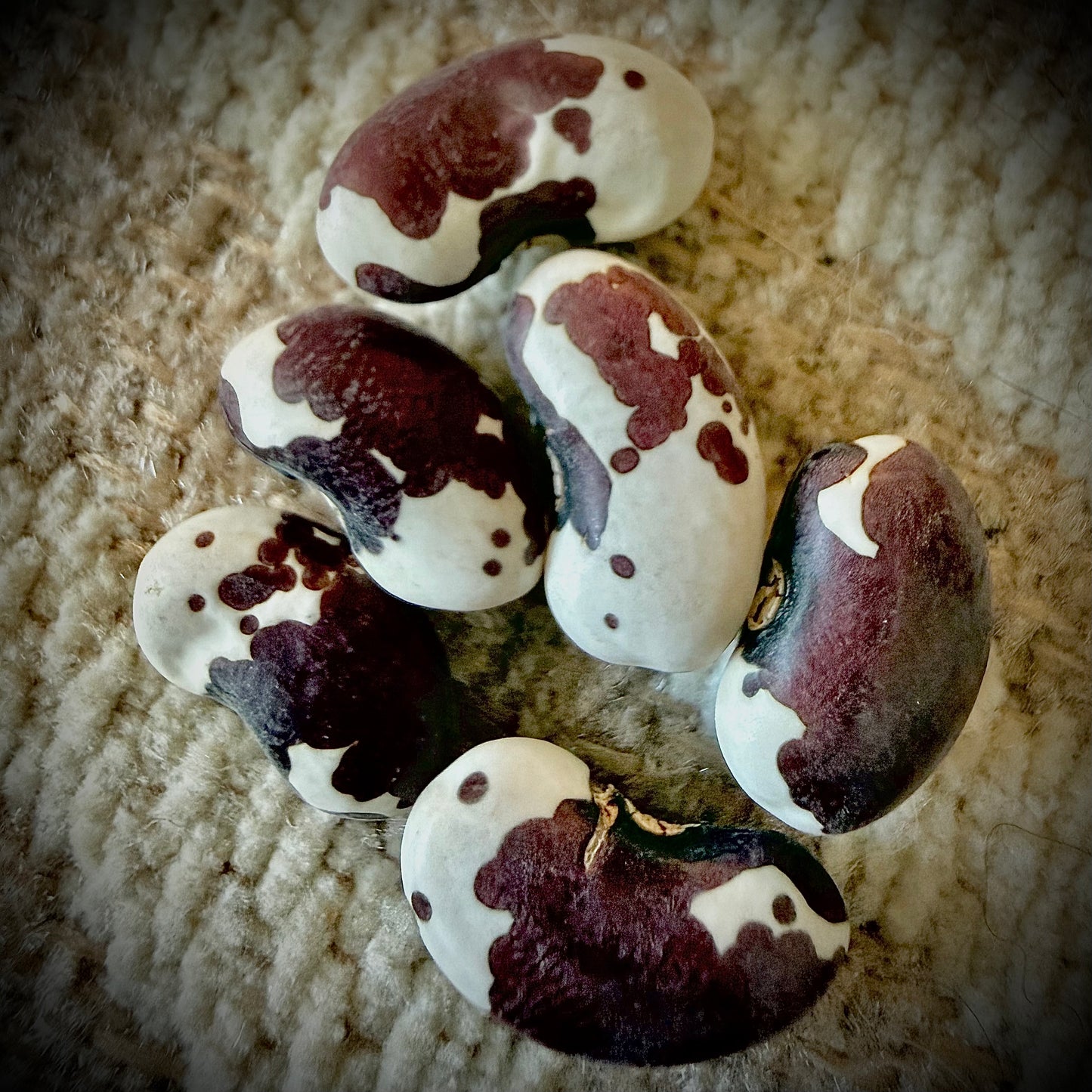
These beans produce plump, speckled seeds in creamy tan and chestnut tones, wrapped inside long, productive pods. The plants are vigorous, resilient, and well-adapted to hot, dry climates—perfect for gardeners who love rare varieties with deep history. Excellent as a dry bean, it cooks into a smooth, hearty texture ideal for soups, chili, and traditional dishes.
🌱 Planting Guide — 1,500 Year Old Cave Bean
⭐ When to Plant
-
Direct sow after your last frost, once soil is consistently 60°F or warmer.
-
Beans prefer warm soil—don’t rush planting.
📏 Spacing
-
Sow seeds 1 inch deep
-
Space seeds 3–4 inches apart
-
Rows: 18–24 inches apart
(pole type) Provide a trellis or support 5–6 ft tall.
🌞 Growing Conditions
-
Full sun: 6–8+ hours
-
Soil: Loose, well-drained, not too nitrogen-rich
-
Water: Keep consistently moist during flowering and pod set
-
Avoid overhead watering to reduce disease pressure
⏳ Days to Maturity
-
Typically 85–95 days for dry beans
-
Pods should be left on the plant until they turn papery and dry
🔪 Harvesting
-
For dry beans:
-
Allow pods to fully dry on the vine
-
Seeds should feel hard and rattle inside the pod
-
-
After harvesting, let beans dry an extra few days indoors before storing
-
Store in an airtight container for long-term use
🌾 Tips for Best Results
-
Don’t fertilize heavily — beans fix their own nitrogen
-
Mulch to keep soil moisture steady
-
Avoid planting in cold, wet soil to prevent rot
Share

Love the fast service! The videos are amazing 🤩🤩
Great looking seeds.