


1
/
of
2
Pepper - Zebrange
Pepper - Zebrange
Regular price
$4.50
Regular price
Sale price
$4.50
Unit price
/
per
Couldn't load pickup availability
Minimum Seed Count: 10
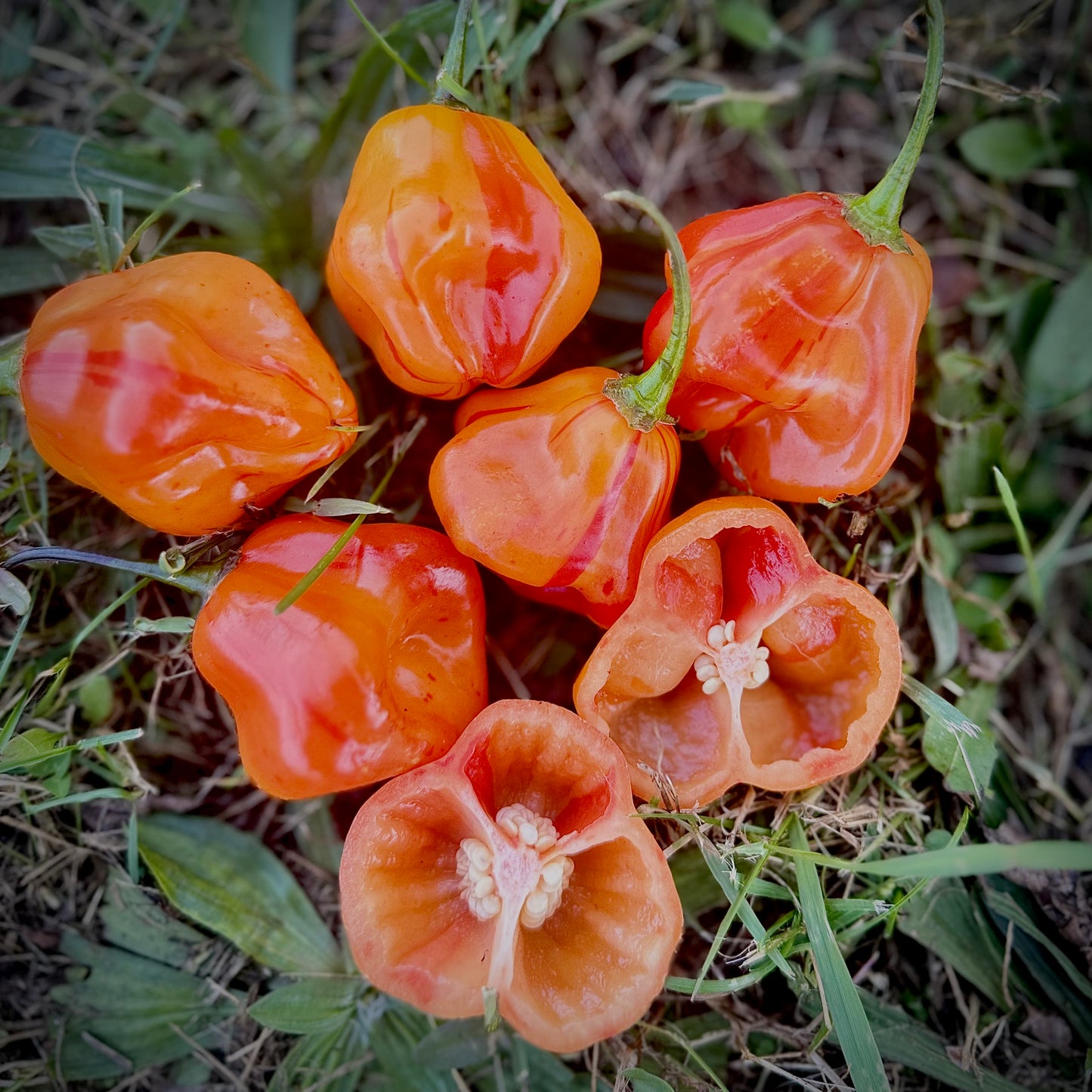
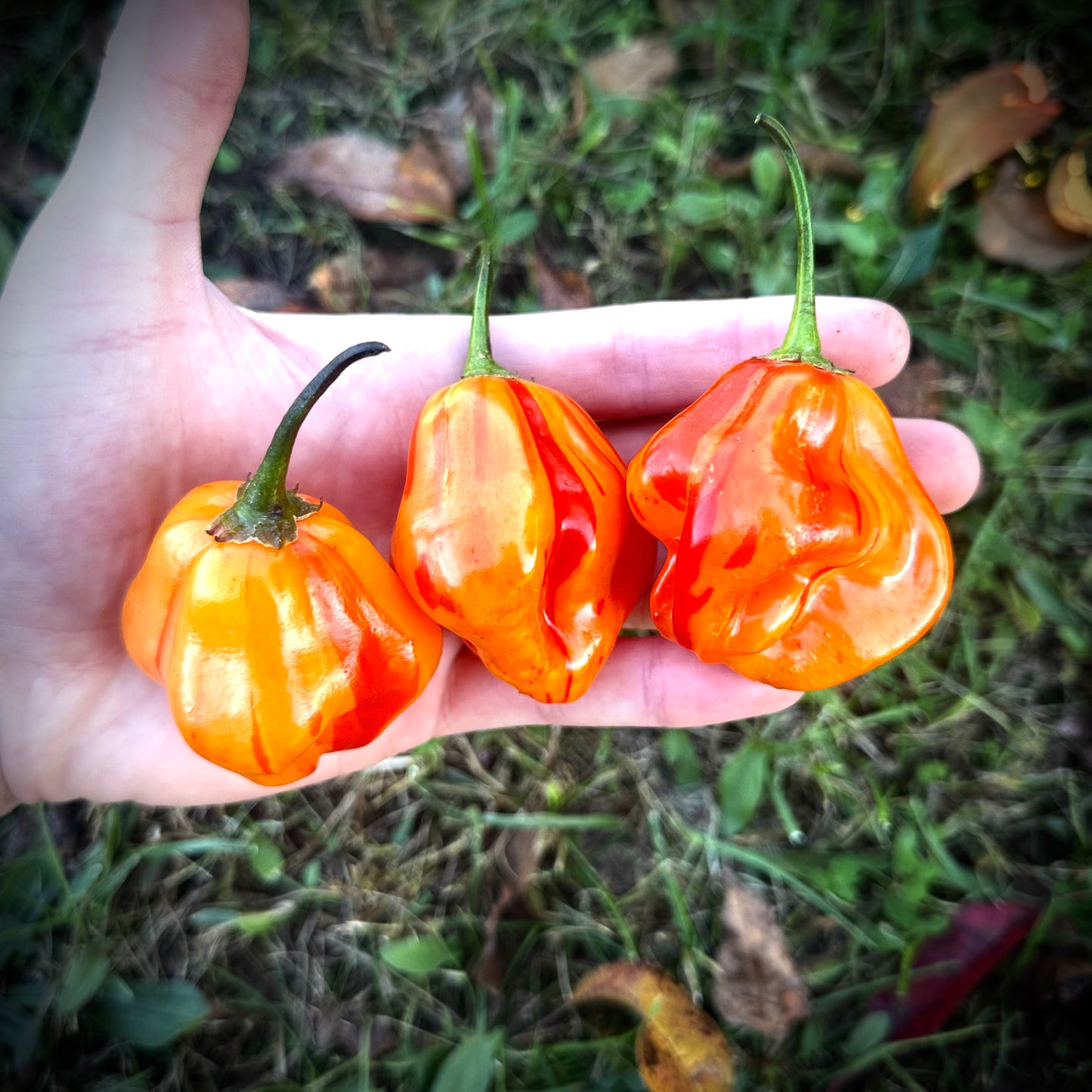
Every pepper looks different! This unusual pepper is known for its candy looking striped fruits, adding an eye-catching touch to the pepper patch while offering something special for gardeners who enjoy growing uncommon varieties. Pods are mildly hot with a super sweet floral scent. They really do look fake! With its attractive appearance and productive plants, Zebrange is a great choice for collectors, pepper enthusiasts, and anyone looking to grow something beyond the ordinary.
Plant Details
- Species: Capsicum annuum
- Plant Type: Annual pepper (warm-season crop)
- Height: 18–36 inches
- Fruit Shape: Elongated, tapered pepper
- Fruit Color: Striped coloration, characteristic of the variety
- Growth Habit: Upright, branching, fruit-producing plant
Growing Guide
Starting Seeds
- Start seeds indoors 8–10 weeks before the last expected frost.
- Plant seeds approximately ¼ inch deep in a quality seed-starting mix.
- Maintain soil temperatures around 80–85°F for best germination.
- Germination typically takes 7–21 days, sometimes longer.
- Keep the soil consistently moist but never waterlogged.
Planting
- Transplant outdoors after all danger of frost has passed and nighttime temperatures remain consistently warm.
- Space plants 18–24 inches apart.
- Choose a location with full sun and well-drained soil.
- Harden off indoor-grown seedlings before transplanting.
Growing Conditions
- Full sun (6–8+ hours daily)
- Warm temperatures
- Fertile, well-drained soil
- Consistent moisture
- Ideal soil pH: 6.0–6.8
Care
- Water deeply and regularly, especially during flowering and fruit development.
- Apply a balanced fertilizer, avoiding excessive nitrogen that can encourage leafy growth at the expense of fruit production.
- Mulch around plants to help retain soil moisture and regulate soil temperature.
- Provide support if branches become heavy with peppers.
- Watch for aphids, spider mites, and other common pepper pests.
Harvesting
- Harvest peppers when they reach their mature size and develop their characteristic coloration.
- Use clean scissors or pruning shears to avoid damaging branches.
- Pick regularly to encourage continued fruit production.
- Peppers can be enjoyed fresh, cooked, or preserved, depending on your culinary preferences.
🌶️ Zebrange Pepper is a fun addition to any rare-pepper collection, bringing unusual color, garden interest, and the satisfaction of growing a variety you won't find in every garden.
Share
No reviews
<div class="dynamic-checkout__content" id="dynamic-checkout-cart" data-shopify="dynamic-checkout-cart"> <shopify-accelerated-checkout-cart wallet-configs="[{"supports_subs":true,"supports_def_opts":false,"name":"shop_pay","wallet_params":{"shopId":70784516335,"merchantName":"Beebe Seed Co","personalized":true}},{"supports_subs":true,"supports_def_opts":false,"name":"paypal","wallet_params":{"shopId":70784516335,"countryCode":"US","merchantName":"Beebe Seed Co","phoneRequired":false,"companyRequired":false,"shippingType":"shipping","shopifyPaymentsEnabled":true,"hasManagedSellingPlanState":false,"requiresBillingAgreement":false,"gatewayType":"MANAGED","merchantId":"YQLEMKW8332YA","sdkUrl":"https://www.paypal.com/sdk/js?components=buttons\u0026commit=false\u0026currency=USD\u0026locale=en_US\u0026client-id=AbasDhzlU0HbpiStJiN1KRJ_cNJJ7xYBip7JJoMO0GQpLi8ePNgdbLXkC7_KMeyTg8tnAKW4WKrh9qmf\u0026merchant-id=YQLEMKW8332YA\u0026intent=authorize","serviceableCountryCodes":["CA","DE","FR","GB","US"]}}]" access-token="e5bec43fda568302821c5cdb9ca0e11f" buyer-country="US" buyer-locale="en" buyer-currency="USD" shop-id="70784516335" cart-id="3f21aada167e811a98016025d1f77165" enabled-flags="["a1d1f9a1","f5afabb3","370070f3","b311f899"]" > <div class="wallet-button-wrapper"> <ul class='wallet-cart-grid wallet-cart-grid--skeleton' role="list" data-shopify-buttoncontainer="true"> <li data-testid='grid-cell' class='wallet-cart-button-container'><div class='wallet-cart-button wallet-cart-button__skeleton' role='button' disabled aria-hidden='true'> </div></li><li data-testid='grid-cell' class='wallet-cart-button-container'><div class='wallet-cart-button wallet-cart-button__skeleton' role='button' disabled aria-hidden='true'> </div></li> </ul> </div> </shopify-accelerated-checkout-cart> </div>